

Fractional Expert Singapore
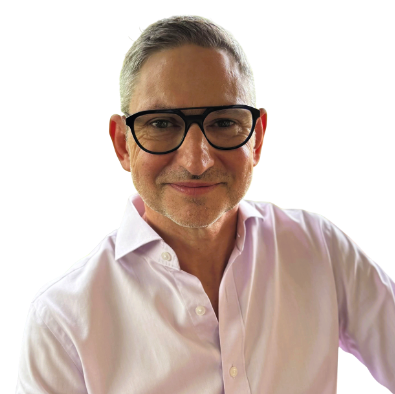
Nakul - Commercial Excellence & Strategy Leader
At Maestro, we know there’s more to life than work. In fact, it’s the experiences, relationships and pursuits we have outside of work that can often give us an edge in what we do each day. We host an interview series called “Meet the Maestro” where we interview our Maestros and get an insight to who they really are and what makes them tick - beyond the CV.
Meet Nakul - a commercial strategist who doesn’t just talk about transformation, he builds it from zero.
He led the creation of a multi-vendor FMCG B2B marketplace from absolute scratch to serving millions of retailers across eight APAC markets, bringing global giants like Unilever, Coca-Cola, Heineken and Mondelez on the journey. Along the way, he delivered 18% higher GMV through AI-powered personalisation while reducing promotional spend, proving that smart growth beats loud growth.
With 17 years across FMCG and digital platforms, Nakul operates at the intersection of commercial excellence, platform strategy and large-scale transformation, including leading an €11Bn business transformation program powered by AI/ML. He’s scaled e-commerce 30X, unlocked €220M in incremental revenue and built high-performing cross-functional teams across APAC.
But what really sets him apart? He creates cultures where the best ideas win… even when they challenge his own. For Nakul, the most powerful strategy starts with curiosity, debate and a willingness to be wrong.
1. Talk us through an unusual career choice you've made along the way
Starting my career as a frontline Key Account Manager in Modern Trade, riding with distributors and negotiating shelf space in Indian hypermarkets. I have an engineering degree and could have gone into product or tech, but I chose sales because I wanted to understand how business actually works at the ground level. That foundation, understanding unit economics, distributor incentives, and why retailers make the choices they make, has been my secret weapon in every transformation program since. When you've physically counted stock in a warehouse at 6am, you can't design strategies that ignore operational reality. That grounding in execution has made me a better strategist.
2. When you were little, what did you want to be when you grew up?
A rock star. Specifically, the frontman of a legendary rock band. I grew up in a small factory town in India watching my parents leave for work in their uniforms every morning, but at night I'd dream of stadiums and guitar solos. Plot twist: I actually have a family band now called The Supersonic Babies, I'm on vocals and keys, my 7-year-old son Nilay plays drums, and my wife rocks the guitar. We're not exactly filling stadiums, but we're living the dream in our living room. Turns out the discipline of practice applies equally to Chopin and commercial excellence.
3. What are your passions outside of work and how do you make time for them?
My family, music, language learning, and creating inclusive opportunities. Music is our family's thing, we jam together as The Supersonic Babies, and it's taught my son that showing up and practicing matters more than natural talent. I'm also learning Mandarin with him (I'm at HSK Level 3), and we practice daily in taxis, restaurants, anywhere we can. It started as market research for my APAC work but became our bonding ritual. I also serve on the Executive Committee of Multiple Sclerosis Society Singapore, leading volunteer engagement. Living with MS myself, I'm passionate about creating pathways for people with disabilities, it's about dignity, not charity.
4. If you could instantly master any skill or hobby, what would it be and why?
Jazz piano. I can handle classical pieces through practice and muscle memory, but jazz requires improvisation, responding to the moment and making something beautiful out of uncertainty. That's actually transformation leadership in a nutshell: you need classical discipline (frameworks, data, process), but the magic happens when you can improvise with confidence. Plus, my son would think I'm way cooler.
5. What's a personal value or belief that guides the way you live your life?
High work integrity, if I commit, I deliver. It comes from watching my parents work in a factory where their reputation mattered more than any contract. In transformation programs, you're often convincing skeptical stakeholders to invest millions without direct authority. The only currency you have is your word. I've walked away from opportunities where I couldn't deliver what was promised, and I won't leave teams hanging when things get tough.
6. What's a challenge you've overcome outside of work that shaped you?
Getting diagnosed with Multiple Sclerosis in 2015 while leading global eCommerce strategy. The first six months were brutal, uncertainty, fear, managing symptoms while pretending everything was normal. But MS taught me something crucial: control what you can control and stay calm about what you can't. That mindset transformed how I lead. When things go sideways, my team sees me stay steady, creating psychological safety. MS taught me resilience isn't about never falling; it's about how you get back up.
7. What do you think your job will look like in 10 years' time?
Commercial strategy will be increasingly AI-powered, but human judgment will be the differentiator. The 2036 transformation leader will be part data scientist, part psychologist, someone who can build machine learning models but also read the room when a CEO is skeptical about a €20M digital investment. Technical frameworks will be commoditized; clients will pay for translating complexity into clarity and managing the human side of change. Basically, 20% technology, 80% getting people comfortable with being uncomfortable.
8. If you could travel anywhere in the world tomorrow, where would you go and what would you do?
Bhutan. I've worked across 8 APAC markets but never made it there, and there's something compelling about a country measuring Gross National Happiness instead of GDP. After 17 years optimising revenue and efficiency, I'm curious about a place deliberately optimising for different outcomes. After convincing organisations to move faster and scale bigger, I'd love experiencing a culture that values going slower and staying smaller. Sometimes the best strategic insights come from completely different paradigms.
9. What does success look like to you?
Freedom to work on multiple challenges simultaneously rather than one three-year program. After 17 years at Unilever, I wanted to drive strategy across different organisations, healthcare startups, FMCG transformations, social impact projects, all at once. Success is working with a pharmaceutical company on market entry in the morning, coaching a team on RGM in the afternoon, and still making it home for dinner and piano practice with my son. It's proving you can have significant impact without sacrificing geography or family.
Related Articles
Empowering the workforce of the future.



Join the Future
Unlock Your Potential
Discover how Maestro connects you with opportunities that match your skills and aspirations.