

Fractional Expert Brisbane, Australia
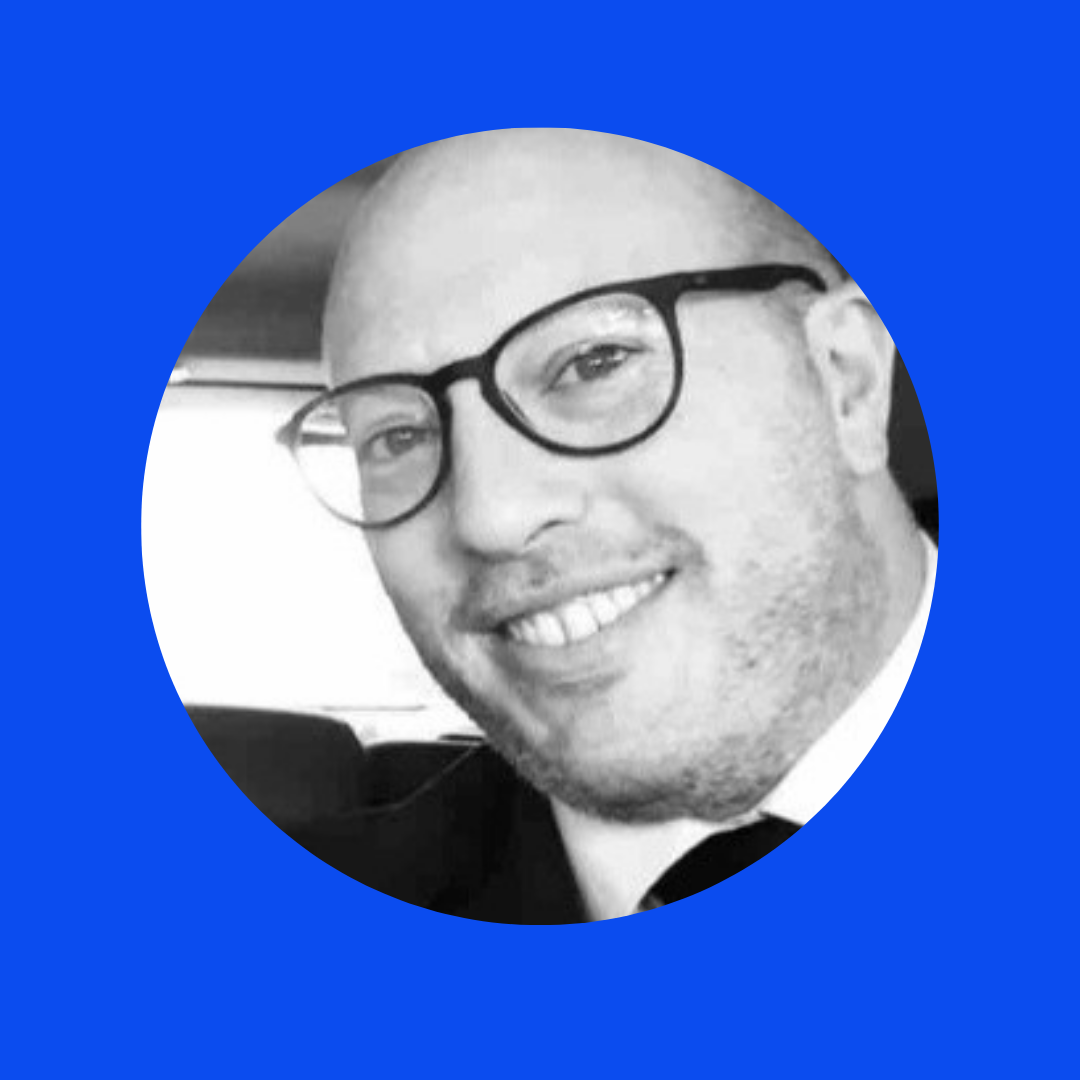
Ben - Director/ GM, Infrastructure Asset Management
At Maestro, we know there’s more to life than work. In fact, it’s the experiences, relationships and pursuits we have outside of work that can often give us an edge in what we do each day. We host an interview series called “Meet the Maestro” where we interview our Maestros and get an insight to who they really are and what makes them tick - beyond the CV.
Ben learned the fundamentals of business early, working in his parents’ hotels and seeing firsthand how service, relationships and truly understanding your customer make all the difference. That grounding, combined with a trade in aviation maintenance and service in the Defence Force, shaped a leader who blends operational discipline with commercial instinct.
Today, Ben operates at the intersection of strategy and execution across facilities management, asset management and utilities operations. He’s led teams of 250+ across multiple countries, negotiated and delivered complex contracts worth hundreds of millions annually and transformed underperforming operations into profitable, high-performing ventures in as little as 12 months.
What sets Ben apart is his ability to move seamlessly from the engine room to the boardroom: understanding the technical detail while driving financial performance, compliance and long-term value. Practical, steady and outcome-focused, he brings clarity, momentum and accountability to complex environments where results matter.
1. Tell us about a career highlight to date…
Winning 2 x high-value (>250M) contracts: 1 in Kuwait for an American company and the other in Brisbane to operate and maintain the Brisbane water grid. Great teams in both locations and both contracts proved successful, albeit very different.
2. Talk us through an unusual career choice you’ve made along the way…
Deciding to get on the next plane to Pakistan to get to Afghanistan. After driving across the Pakistan/Afghan border we were the first civilians to arrive at Kandahar Air Base in late 2002 and we had a diesel power station set up and operational in 10 days. I did get the chance to meet 3 brothers in Kandahar who are still friends to this day.
The best career choice was deciding to work internationally. The culture differences and various ways to manage a business unit or team are a great school.
3. When you were little, what did you want to be when you grew up?
Rich. But since then I’ve realised that success can mean different things. I say that now because I’m not rich but have grown up.
4. What are your passions outside of work and how do you make time for them?
Paddling ocean racing surf skis. Helps keep fit without ruining knees. Plus, I love the water. Wherever I go I always find clubs that operate groups, like on Brisbane River, in Dubai, Canberra and Melbourne. There always seems to be a club of some sort and helps to make friends in the new location.
Then of course there’s travel…
5. If you could instantly master any skill or hobby, what would it be and why?
Dancing. When people are happy they dance. I don’t because I can’t It would be good to be able to dance well and watch people’s jaws drop.
6. What’s a personal value or belief that guides the way you live your life?
Authenticity and leadership. Fake is one of the worst things people can be.
Being supportive of people that depend on your leadership is paramount to being a good person. We all know employees leave bad managers and I try to be a manager that people want to stay with. Being a leader means providing everything needed for them to be successful.
7. What’s a challenge you’ve overcome outside of work that shaped you?
Being away from family at an early age. Independence is learned fast or things can go in the wrong direction pretty quickly.
8. What do you think your job will look like in 10 years time?
There will still be a need for built and infrastructure assets to be maintained, but they may be built and used differently. Office demand may reduce, with WFH now more popular, but we’ll still need hospitals and manufacturers, storage, power, water and fuel. More efficiency in building and operation is needed to reduce costs, so design should focus on that efficiency.
9. If you could travel anywhere in the world tomorrow, where would you go and what would you do?
Maldives. Swim, relax, eat and drink. Indulge basically.
10. What does success look like to you?
Being autonomous in time and business management to allow work, rest and play at a time each is desired. While the WFH change is still materialising, I think a bigger and better change is not being constrained to time. Freedom is about having the time to do things, not just work between 9-5 and then all else around that. Why not allot the hours in a day to occur at any time? Work when productive, rest when tired, play when energised.
If I could live like this I’d view it as success.
Author
Related Articles
Empowering the workforce of the future.



Join the Future
Unlock Your Potential
Discover how Maestro connects you with opportunities that match your skills and aspirations.