
The future of work is being assembled right now
AI, an ageing workforce and a new generation of independent experts are changing how organisations get work done. Here’s what the future of work means for leaders in Australia, New Zealand, Singapore, Hong Kong and the UAE, and how to build an organisation that’s ready for it.
The new shape of the organisation: a lean core, flexible expertise and AI, built around outcomes.
What is the future of work?
A plain-English answer, and the numbers behind it.
The future of work is the shift in what work gets done, who does it and how it’s organised, driven by AI, demographic change, new skills and flexible ways of working. For organisations, it means moving from fixed structures of full-time roles to a lean core team supported by fractional, interim and independent experts, and by AI, all organised around outcomes rather than job titles.
Six forces reshaping work
None of these is new on its own. What’s new is that they’re happening at the same time, and they all point the same way: towards smaller cores, more flexible expertise and work organised around outcomes.
AI moves from tool to teammate
of leaders say this is a pivotal year to rethink strategy and operations, and most expect AI agents to be part of their AI strategy within 18 months.
Source: Microsoft Work Trend Index 2025Skills change faster than roles
of core skills are expected to change by 2030. Analytical thinking, resilience, flexibility and leadership top the list employers want.
Source: WEF Future of Jobs 2025Fewer people of working age
is the projected fall in the OECD’s working-age population by 2060. Shortages of experienced people are becoming structural, not cyclical.
Source: OECD Employment Outlook 2025Expertise goes independent
Australians work as independent contractors. Senior people are increasingly choosing portfolio careers over a single full-time role.
Source: ABS Working Arrangements 2025Flexibility becomes the norm
of employed Australians usually work from home, and Singapore has made formal flexible work requests part of its national guidelines.
Source: ABS 2025; Singapore MOMOrganisations re-form around outcomes
of today’s jobs will be created or destroyed by 2030. Teams are forming around goals, not functions, and dissolving when the job is done.
Source: WEF Future of Jobs 2025From org chart to work chart
The traditional org chart assumes every capability sits in a permanent box. That assumption is breaking. Leading organisations now design around the work itself, then decide which parts belong to the core team, which to flexible experts and which to AI.
Four layers of the future-ready organisation
Core team
The permanent people who hold your culture, customer relationships and long-term direction.
Fractional & interim leaders
Senior leaders for one to three days a week, or full-time for a set period, to lead change or fill a gap.
Independent specialists
Consultants, contractors and advisors with deep expertise, brought in for a defined piece of work.
AI agents & tools
Digital capacity that handles routine tasks, so people can focus on judgement, relationships and creativity.
Think of it as a series of rings around your purpose. The core team stays small and stable. Around it sits a layer of senior expertise you can dial up or down: a fractional CFO to get you investor-ready, an interim executive to steady a transformation, an independent consultant to design a new operating model.
Beyond that sit AI agents and tools, taking on more of the routine work every year. The leadership skill that matters most is orchestration: knowing which layer each piece of work belongs to, and bringing the right people together quickly.
We’ve written a practical guide to designing this kind of organisation, including which roles to make flexible first.
Six moves to make in the next 12 months
You don’t need a five-year transformation programme to get started. These are practical steps any leadership team can take this year.
Map the work, not the roles
List the outcomes your business needs over the next two years, then ask which need permanent ownership and which need expertise for a season.
Make one senior role flexible
Start with a role where you need experience more than hours, such as finance, technology, people or strategy, and bring in a fractional leader.
Build your bench before you need it
The worst time to find an expert is in a crisis. Know who you’d call for a transformation, an acquisition or a sudden departure.
Redesign jobs around AI
Look at each team’s tasks. Automate the routine, augment the complex and invest in the judgement only people can bring.
Treat learning as part of the work
Pair experienced independents with your people so capability stays behind after the engagement ends.
Lead for outcomes, not hours
Set clear goals, measure results and let experts decide how to deliver. It’s how flexible teams perform at their best.
Built for the way organisations work now
Maestro exists to make the future-ready organisation practical. We connect you with more than 1,000 vetted senior experts across our markets, in five ways, so you can add exactly the expertise you need, when you need it.
Fractional experts
Senior leaders and specialists one to three days a week. Experience without a full-time salary.
Interim executives
Full-time leadership for a set period, to cover a gap or lead change.
Independent consultants
Senior experts for a defined project, without big-firm overheads.
Independent contractors
Hands-on specialists who deliver the work alongside your team.
Business advisors
Former CEOs and board directors on call for strategic guidance.
Brief
Tell us the challenge, timing and budget.
Scout
We search our vetted community for the right experience.
Shortlist
Matched experts, usually within 48–72 hours.
Onboard
Maestro handles contracts and payments.
Support
Regular check-ins and 360 reviews until the job is done.
Not just C-suite leaders: Maestro experts include specialists with deep expertise in their field, across finance, technology, people and culture, strategy and every other major function. Browse experts by industry, or see how clients have used them in our case studies.
Meet some of the experts shaping the future of work
Maestros are experienced leaders and specialists who’ve chosen flexible, high-impact work. They bring the future-ready organisation to life every day.
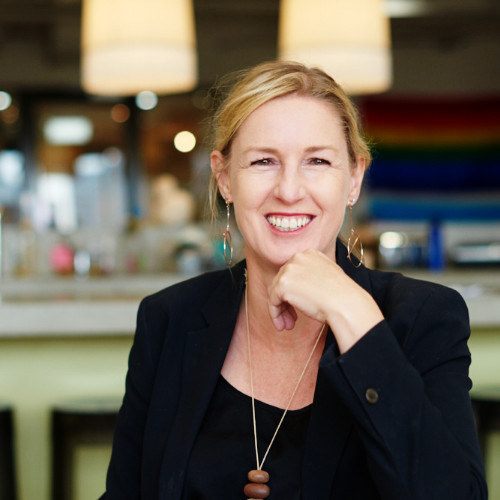
Sue
Technology Leader, Strategist & COO
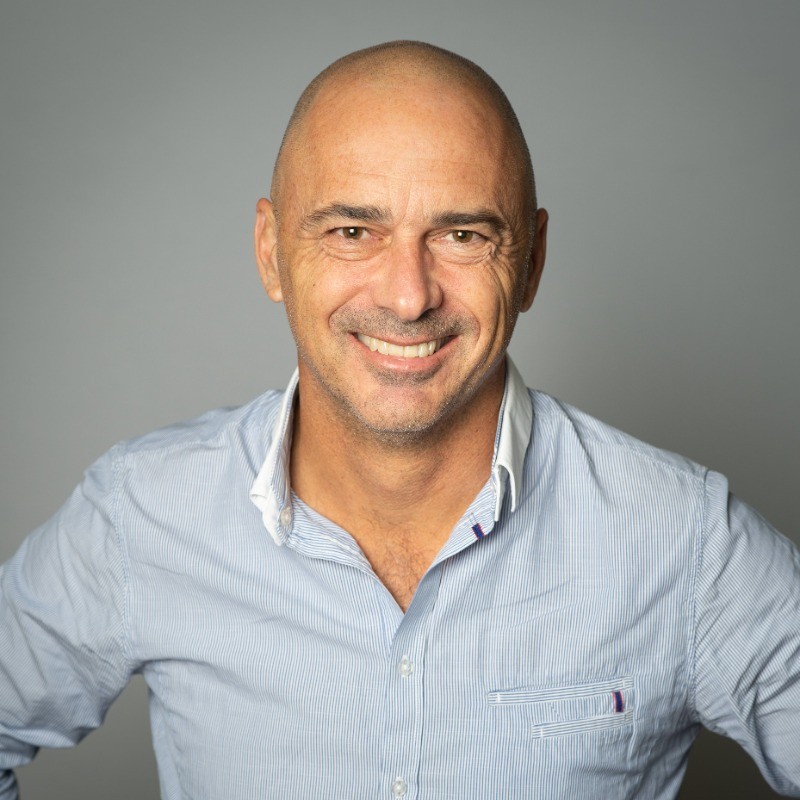
Brenton
Fractional CTO & Engineering Leader

Cindy
Fractional Chief People Officer

Jeni
Transformation & Program Director

Allan
CFO, Business & Board Advisor

Daniela
Applied Behavioural Scientist
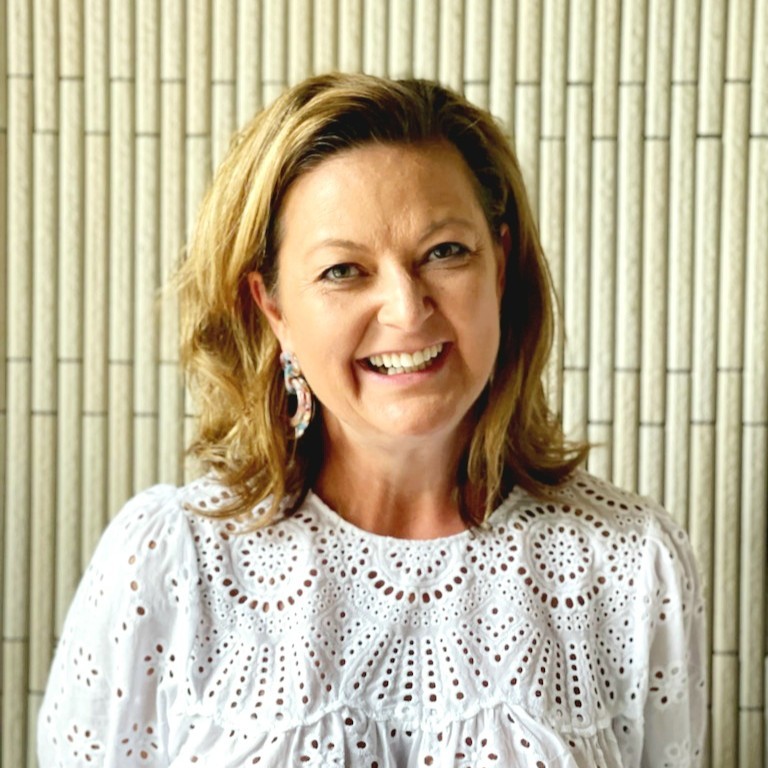
Kim
Strategic Advisor, Leadership & Transformation
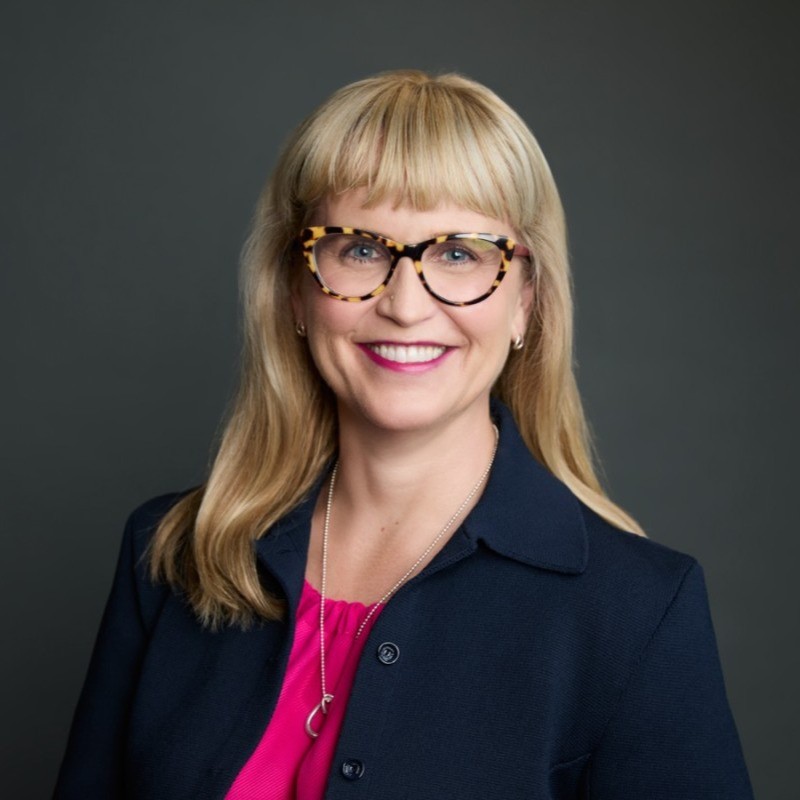
Katie
Fractional CMO & Marketing and Comms Strategist
The future of work in Asia-Pacific and the Gulf
The forces are global, but every market moves differently. Maestro has experts based in Australia, New Zealand, Singapore, Hong Kong and the UAE, who know their markets first-hand.
The future of work in Australia
1.1 million Australians work as independent contractors, and more senior leaders are building portfolio careers.
The future of work in New Zealand
A small senior talent pool means many organisations bring in experts on a flexible basis, often from across the Tasman.
The future of work in Singapore
Formal flexible work request guidelines took effect in December 2024, making flexibility part of how work is organised.
The future of work in Hong Kong
Nearly 92,000 Top Talent Pass applications were approved by the end of 2024 as the city competes for experienced talent.
The future of work in the UAE
The five-year Green Visa lets freelancers and self-employed professionals sponsor themselves, a clear signal of support for independent work.
Sources: ABS · Singapore Ministry of Manpower · Hong Kong SAR Government · UAE ICP
Why we’re optimists about the future of work
Past technology shifts replaced effort. AI is different: it can take on parts of thinking work itself. That makes human judgement, experience and the ability to bring the right people together more valuable, not less.
At Maestro, we believe the future of work is something leaders shape, not something that happens to them. The organisations that thrive will be the ones that redesign work deliberately: smaller cores, more access to senior expertise and AI used to free people for higher-value work.
Maestro co-founder Peter Bauld has made this case at UC Berkeley, Melbourne Business School and WHU. We share what we’re learning in our articles.
Explore the future of work
Designing the future organisation: from org chart to talent ecosystem
Which roles to make flexible first, how to govern a blended team, and a 90-day plan.
AI and the future of work: what changes when machines can think
What AI will automate, what it will augment, and the human skills that matter more than ever.
Maestro articles on work, leadership and flexible talent
Practical ideas from our team and our community of experts.
The future of work: frequently asked questions
What is the future of work?
The future of work describes how work, workers and workplaces are changing because of AI and automation, demographic change, new skill needs and more flexible ways of working. For organisations it means moving from fixed structures of full-time roles to a lean core team supported by fractional, interim and independent experts and by AI, organised around outcomes rather than job titles.
What are the biggest trends shaping the future of work?
Six forces stand out: AI moving from tool to teammate, skills changing faster than roles, a shrinking working-age population, experienced professionals choosing independent careers, flexible work becoming normal, and organisations re-forming around outcomes instead of functions. The World Economic Forum expects 22% of today’s jobs to be created or displaced by 2030.
How will AI change the future of work?
AI will automate many routine tasks and augment most knowledge work. Jobs and Skills Australia found generative AI is more likely to augment work than replace it, with clerical and entry-level tasks most exposed. The value of human judgement, relationships and the ability to orchestrate people and AI will rise.
What does the future organisation look like?
Increasingly it looks like a set of rings: a small, stable core team, a layer of fractional and interim leaders, independent specialists brought in for defined work, and AI agents handling routine tasks. Teams form around goals and disband when the job is done, rather than sitting permanently in functional boxes.
Why are companies using fractional and interim executives?
They give organisations senior experience quickly and flexibly, without the cost, delay and risk of a permanent hire. A fractional leader works one to three days a week on an ongoing basis, and an interim executive works full-time for a set period to fill a gap or lead change. Maestro can usually provide a shortlist within 48 to 72 hours.
How can my business prepare for the future of work?
Start by mapping the outcomes you need over the next two years, then decide which need permanent ownership and which need expertise for a season. Make one senior role flexible, build a bench of experts before you need them, redesign jobs around AI, and lead for outcomes rather than hours.
How does Maestro help organisations with the future of work?
Maestro connects organisations with more than 1,000 vetted senior experts in five ways: fractional experts, interim executives, independent consultants, independent contractors and business advisors. We handle contracts and payments, run 360 reviews and stay close to each engagement, so you can build a flexible, future-ready team with confidence.
Where does Maestro operate?
Maestro has experts based in Australia, New Zealand, Singapore, Hong Kong and the UAE, and works with clients in those markets and around the world. Many engagements mix on-site days with remote work, so organisations can draw on the right expert wherever they are.
Ready to build your future-ready team?
Tell us the challenge. We’ll come back with a shortlist of vetted senior experts, usually within 48–72 hours.