
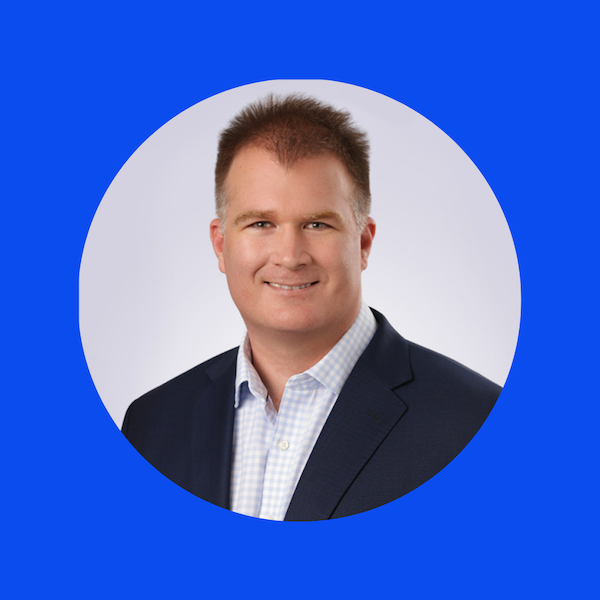
Fractional & Interim Expert Queensland, Australia
Aaron - Interim COO & Chief Transformation Officer | Operational Turnaround, Stabilisation & Program Recovery
At Maestro, we know there’s more to life than work. In fact, it’s the experiences, relationships and pursuits we have outside of work that can often give us an edge in what we do each day. We host an interview series called “Meet the Maestro” where we interview our Maestros and get an insight to who they really are and what makes them tick - beyond the CV.
Aaron is the person organisations call when things get complicated. Working with boards and executives through periods of disruption, uncertainty and change, he brings a rare ability to see an organisation as a whole system, quickly pinpointing where things have broken down and what needs to shift. His superpower is turning complexity into clarity, then bringing the structure, momentum and leadership needed to get things back on track. Drawing on experience across industries and military leadership training, Aaron connects strategy, people, processes and culture to stabilise businesses, recover troubled programs and deliver transformation that lasts. Calm under pressure and quick to act, he brings people with him, bridging the gap between strategy and operations and making sure change actually lands. He doesn’t just fix what’s broken, he rewires the system so it works better long after he’s gone.
1. Tell us about a career highlight to date…
One career highlight was supporting the turnaround of a complex infrastructure portfolio. What began as a narrow operational issue ultimately involved influencing a $4 billion portfolio across 17 national sites and working with 34 executives.
What made it a highlight was the mandate behind those numbers. I was representing the sponsor at that level for the first time, in an environment more complex than anything I'd worked in before, and coming out the other side settled the question of whether I could operate there.
2. Talk us through an unusual career choice you’ve made along the way…
I started as a truck driver in the Army straight out of high school. Although I had ambitions to lead, I deliberately chose to start at the ground level because I wanted to understand how an organisation actually works before trying to lead one.
That experience still influences how I work today. Every strategic decision eventually lands with someone who has to make it work in practice.
3. When you were little, what did you want to be when you grew up?
At about 12, I'd already decided I wanted a military career. At the time I was fascinated by General Peter Cosgrove and, from my 12-year-old perspective, thought he represented everything a great leader should be. It's funny looking back on it now because the idea of what leadership meant to me at 12 was obviously pretty simplistic. But the ambition itself never really went away.
4. What are your passions outside of work and how do you make time for them?
Being a dad is probably my biggest passion. My son, our French bulldog and I spend a lot of time exploring Brisbane together.
I'm also still serving in the Army Reserve, which has been a constant throughout my adult life. Outside of that, I enjoy building communities. I'm developing a professional social collective in Springfield and working on Social Patch, an idea focused on helping veteran families connect through member-hosted events.
I don't have a sophisticated approach to balance. I just try to make sure the things that matter never disappear.
5. If you could instantly master any skill or hobby, what would it be and why?
Manual tradecraft. My grandfather and uncle could both build or repair just about anything with a set of tools, and none of us kids ended up with any of the skills. I'd want it because it's the one kind of problem I can't think my way through.
6. What’s a personal value or belief that guides the way you live your life?
I believe that people should be given the opportunity to make a difference, and that we have a responsibility to make the most of the opportunities we're given.
That means I value trust, taking responsibility and having a go, even when you don't have all the answers. I also think we have an obligation to help other people become more capable, rather than simply doing things for them.
I don't think a good life is measured only by what you achieve yourself. It's also about what you help other people become capable of doing.
7. What’s a challenge you’ve overcome outside of work that shaped you?
One of the most demanding periods of my life was studying part-time while working full-time and raising a newborn. It taught me that life doesn't have to be organised around a single priority. We have more choice than we sometimes realise about how we structure our time and what we're willing to pursue simultaneously. That experience made me much more deliberate about the life I'm trying to build instead of simply letting work determine everything else.
8. What do you think your job will look like in 10 years time?
I think AI will increasingly handle much of the analysis, coordination and process design that occupies organisations today.
What won't disappear is the need to help people work together effectively. If anything, that becomes more important.
I can see my role evolving towards designing the human system around the AI system: helping leaders make decisions, structure teams, clarify accountability and build trust in increasingly technology-enabled organisations.
The tools will change, but the question remains the same: how do you create the conditions for people to do their best work together?
9. If you could travel anywhere in the world tomorrow, where would you go and what would you do?
India. I'm fascinated by history, and I really appreciate seeing historical sites because they bring history to life in a way that reading alone can't.
Last year my son and I travelled through the UK, Belgium and France, including several WWII sites. I'd love to do something similar in India: explore the culture, experience its diversity and better understand the history that shaped it.
10. What does success look like to you?
Success is leaving a client organisation capable of solving tomorrow's problems without needing me for today's. Professionally, it's having a portfolio of work I've chosen where I add value to every engagement. Personally, it's showing my son that you can build something meaningful on your own terms.
Meet More of Our Recent Maestros
Meet Saurav from Brisbane, Australia
Meet Jennelle from Singapore
Meet Markus from Singapore
Author
Related Articles
Empowering the workforce of the future.



Join the Future
Reimagine how fractional experts drive value for organisations
Discover how Maestro connects organisations with highly experienced experts and reimagines the future of work for talent.