
Fractional Expert Melbourne, Victoria
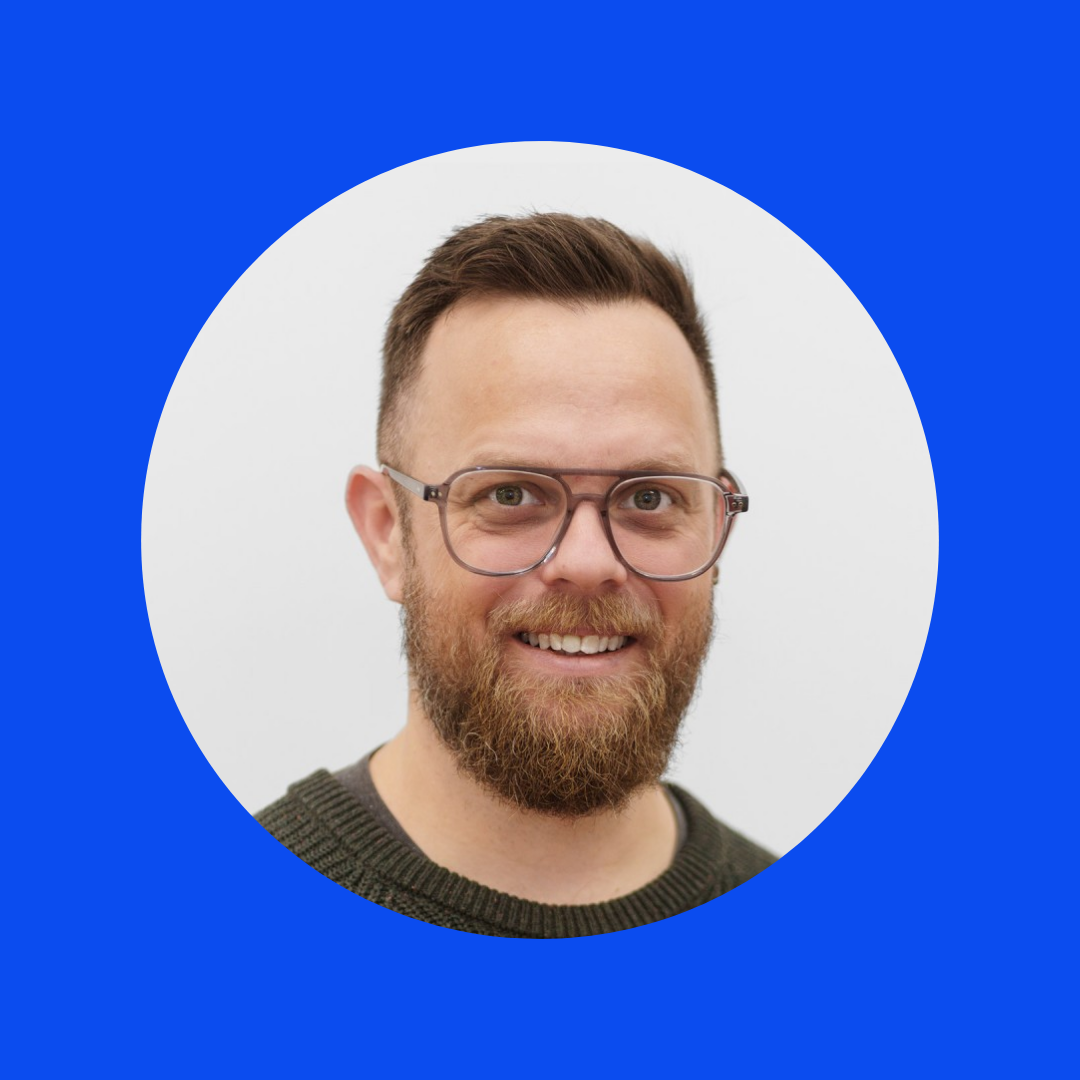
Andi- Fractional head of design & independent design consultant
At Maestro, we know there’s more to life than work. In fact, it’s the experiences, relationships and pursuits we have outside of work that can often give us an edge in what we do each day. We host an interview series called “Meet the Maestro” where we interview our Maestros and get an insight to who they really are and what makes them tick - beyond the CV.
Andi has spent over 24 years turning complexity into clarity, and now he does it independently for founders and leadership teams across design, product and story. He helps them cut through the noise: deciding what to build, what to scrap and how a company should show up in the world. He takes on design challenges in three key ways: fractional design leadership, founder advisory sessions and end-to-end brand and product execution. Andi’s superpower is range. He’s worked across product, UX, UI, motion, visual design and brand; in startups, corporates, and now solo - so he can jump from big-picture strategy in the morning to hands-on tools and code by the afternoon. He spots the connections specialists miss and he focuses on the work that actually moves things forward.
1. Tell us about a career highlight to date…
Eight years at Ferocia, the company that built Up Bank. I joined as employee number 21, initially working on Connect, Bendigo Bank's internet banking platform. From there I worked alongside the CPO to design and build every iteration that eventually became Up, then moved into leading product and design for Connect later. The highlight was not just the product though. It was the culture. A small team that trusted each other, moved fast without cutting corners and genuinely cared about the people using what we built. I learned more about leadership there than anywhere else. How to build trust, how to be honest and how much both matter. That set the bar for every team I work with now.
2. Talk us through an unusual career choice you’ve made along the way…
Leaving a safe, senior role at Bendigo Bank, where I had built their first digital design practice, to join a health tech startup as their first head of design. I wanted to go back to the roots, moving fast with a small team and I wanted to learn something new. Then about six months in, I pivoted again and went fully independent. Two big career moves in under a year. Most people would not do the first one, let alone the second. I like building and fixing things more than I like maintaining them. I remembered how much I loved the freelance life. The variety, the different problems and always learning something new to do my best work. Going independent was the only way to get that back.
3. When you were little, what did you want to be when you grew up?
A musician. Not as a career, just as something I could not imagine living without. I played in bands touring across Europe for years and I have been drumming for 30 years now. It is still the thing that resets my brain when everything else gets noisy. The design career was the surprise. I did a full trade qualification as a painter first, then fell into a media design apprenticeship at 22 and never looked back.
4. What are your passions outside of work and how do you make time for them?
Drumming, cooking and woodworking. I have got a proper workshop set up in my shed. There is something about working with physical materials that keeps me honest as a designer. Wood does not care about your Figma skills. It demands patience, precision and respect for the material. Drumming is similar. Cooking is the one where I can feed people at the end of it, which is its own reward. All three are practices where you never really arrive, you just keep getting better.
5. If you could instantly master any skill or hobby, what would it be and why?
Nothing. I don't want to master anything instantly. The whole point is the journey. The learning, the nerding out, the finding out, the surprise, the small wins and the failures that teach you more than the wins ever do. Mastering something sounds boring. I want to understand and learn new things, not just know them. The process of getting better at something is where all the good stuff lives.
6. What is a personal value or belief that guides the way you live your life?
Good work gives a shit. About the people it serves, about the details, about honesty. I have no time for pretending. Whether that is in design, business or life. Say what you mean, do what you say and make things that actually work for the humans on the other end. Everything else is noise.
7. What is a challenge you have overcome outside of work that shaped you?
Moving to Australia from Germany and starting a career from scratch in a new country. Without a network, local credentials or safety net, I learned that relationships matter more than a CV, that being uncomfortable is where the growth is and that asking for help is not weakness. The web marketing director at the University of Melbourne hired me and gave me my first real opportunity here. We are friends to this day. Every meaningful opportunity I have had in Australia came through someone who believed in me. That is why I take relationships so seriously.
8. What do you think your job will look like in 10 years time?
The job itself stays fundamentally the same. The tools will be unrecognisable. AI is already changing how I work day to day. However, someone still needs to understand what a business actually needs, translate that into something humans can use and have the judgment to know when it is right. AI amplifies what you already are. If you are a skilled designer, it makes you faster and more dangerous. If you were just pushing pixels, you are in trouble. I think the designers who thrive will be the ones who can think across systems, products, brands and business models, not the ones who are fastest in any single tool.
9. If you could travel anywhere in the world tomorrow, where would you go and what would you do?
Back to Germany to see my dad. He is turning 80 soon and I want my daughter to spend real time with him, not just a quick visit. I would take a month, slow down, eat too much bread and pork knuckle and let her experience the culture she is half made of. She is bilingual and I want that to mean something beyond just the language.
10. What does success look like to you?
Being present for my family and my daughter growing up. Time in the shed. Time behind the kit. Four days of meaningful work a week for people I respect. Enough money to not worry, but not so much that I am chasing it. And honestly, being the kind of person that other good people want to work with and refer to their friends. That last one is the real measure. If the phone rings because someone trusted you enough to recommend you, you are doing something right.
Meet More of Our Recent Maestros
Meet Sharnie from Melbourne, VIC
Meet Nathan from Melbourne, VIC
Meet Mike from Sydney, NSW
Author
Related Articles
Empowering the workforce of the future.



Join the Future
Reimagine how fractional experts drive value for organisations
Discover how Maestro connects organisations with highly experienced experts and reimagines the future of work for talent.